Key Takeaways at a Glance
- Connected Vehicle Telemetry: Modern vehicles transmit real-time acceleration, braking, speed, and late-night driving data directly to automakers via onboard cellular modems.
- The LexisNexis & Verisk Pipeline: Automakers previously partnered with data brokers to feed "driving behavior profiles" into insurance underwriting exchange databases.
- Unexplained Rate Hikes: Clean-record drivers have experienced 20% to 60% auto insurance renewal surcharges based entirely on secret third-party telematics reports.
- The Fair Credit Reporting Act (FCRA): You have the federal legal right to request your LexisNexis Telematics Exchange report for free and dispute inaccurate data.
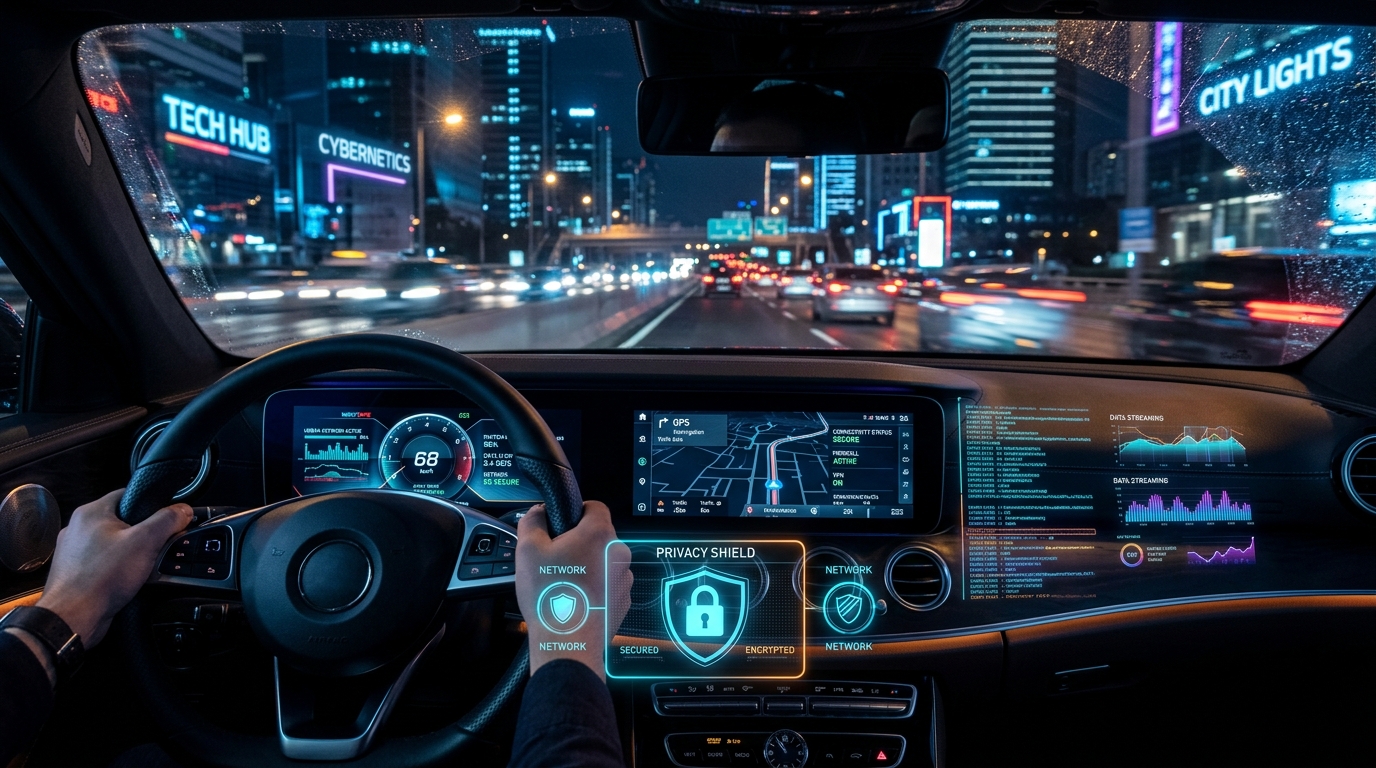
1. The Secret Pipeline: How Your Car Became an Informant
For decades, auto insurance rating relied on static historical markers: your driving record, years licensed, ZIP code, vehicle make and model, and credit-based insurance score. In recent years, however, car manufacturers quietly transformed late-model automobiles into mobile data collection hubs.
An investigative series revealed that major automakers—including General Motors (via OnStar Smart Driver), Kia, Hyundai, Mitsubishi, and Honda—had been collecting detailed, timestamped driving logs from millions of internet-connected vehicles and selling that information to commercial data brokers like LexisNexis Risk Solutions and Verisk.
These data brokers packaged the information into proprietary risk reports accessible by major auto insurance carriers. As a result, thousands of drivers with spotless driving records and zero traffic citations saw their auto insurance premiums skyrocket by 30% to 75% at renewal.
2. What Telematics Metrics Are Tracked & How They Hurt You
Modern telematics tracking goes far beyond basic odometer mileage readings. In-vehicle sensors and cellular modems record millisecond-level telemetry:
Hard Braking Events: Defined as any deceleration exceeding 7 to 9 mph per second. Even if you brake firmly to avoid hitting a stray dog or an erratic cyclist, the algorithm records a negative risk marker.
Rapid Acceleration: G-force spikes when merging onto an interstate highway or passing a slow semi-truck are logged as "aggressive vehicle operation."
Nighttime Driving (Midnight to 4:00 AM): Actuarial data correlates late-night driving with severe alcohol-related and fatigue crashes. Regularly driving home from a hospital nursing shift or airport run at 1:00 AM automatically triggers premium penalties.
Speeding Above 80 MPH: Regardless of posted speed limits (such as 75 mph or 80 mph interstate corridors in Texas, Utah, and Idaho), exceeding fixed thresholds flags you as a high-speed risk.
3. How to Pull Your Free LexisNexis Consumer Disclosure Report
Under the federal Fair Credit Reporting Act (FCRA), LexisNexis and Verisk are legally classified as consumer reporting agencies. This means you have the exact same right to inspect your telematics file as you do your Equifax or Experian credit report.
Follow these steps to obtain your file:
1. Visit the official LexisNexis Consumer Portal (consumer.risk.lexisnexis.com) or call 1-866-897-0781.
2. Request your "Consumer Disclosure Report" under the Fair Credit Reporting Act.
3. Provide your name, Social Security Number, driver's license number, current address, and past addresses.
4. Within 5 to 15 days, you will receive a comprehensive document (often 50 to 150 pages). Review the "Telematics" section for trip-by-trip logs, hard brake tallies, and vehicle VIN references.
5. If you find trips recorded when someone else was driving, or trips recorded during valet service or vehicle maintenance, file a formal dispute directly on the LexisNexis portal.
4. How to Opt Out Across Major Vehicle Brands
Automakers have scrambled to update their privacy policies following regulatory scrutiny. Here is how to disable telemetry sharing in your vehicle today:
| Vehicle Brand | Connected App Name | Opt-Out Location in App | Data Sharing Status |
|---|---|---|---|
| General Motors (Chevy, GMC, Cadillac) | myChevrolet / myGMC | Account Settings > OnStar Smart Driver > Enroll/Unenroll | GM severed LexisNexis pipeline in 2024; verify toggle is OFF. |
| Honda / Acura | HondaLink / AcuraLink | Privacy Settings > Driver Feedback > Disconnect Data Sharing | Can disable feedback scores without losing remote start. |
| Hyundai / Genesis | MyHyundai with Bluelink | Bluelink Settings > Driving Score > Opt Out | Opting out removes data transmission to third-party brokers. |
| Kia | Kia Access | Account > Privacy > Connected Services Data Sharing | Review toggle to prevent telematics exchange distribution. |
| Tesla | Tesla Mobile App | Vehicle Touchscreen > Software > Data Sharing > Road Segment | Required for Tesla Insurance; can opt out if using 3rd party insurer. |
5. What to Do If Your Auto Rates Already Spiked
If your auto insurance renewal surged due to secret telematics data, do not panic. Not all insurance carriers purchase third-party connected car telemetry data. Switch your policy to a carrier that relies exclusively on traditional motor vehicle records (MVR), and always decline optional safe-driver tracking apps.
Compare Verified Rates in Your State
Benchmark rate filings from Progressive, State Farm, GEICO, Allstate, and Travelers with zero obligation.
Frequently Asked Questions
Q: Did I consent to having my driving data shared with insurance companies?
Most drivers unknowingly consented during the vehicle purchase process when signing electronic infotainment onboarding agreements or accepting terms of service in mobile apps like OnStar or HondaLink.
Q: Can my insurance company drop me for hard braking?
Standard carriers generally will not cancel an active policy mid-term solely for driving metrics, but they can non-renew you at policy expiration or assign you to a higher-risk surcharge tier.
Q: Does opting out of telematics disable my remote start and GPS navigation?
In most modern vehicles, no. You can toggle off "Insurance / Driving Data Sharing" while retaining remote door unlocking, vehicle climate control, and built-in navigation.
Related Authority Insurance Guides
Gap Insurance Explained: When Is It Worth It?
Learn how gap insurance covers vehicle loan depreciation deficits for $30/year.
Limits BaselineHow Much Car Insurance Do I Actually Need?
Why state minimums put your savings at risk and why 100/300/100 is baseline.
Bundling SecretsHome & Auto Bundling: Save 25% on Premiums
Compare multi-line discount tiers across State Farm, Allstate, and Progressive.